

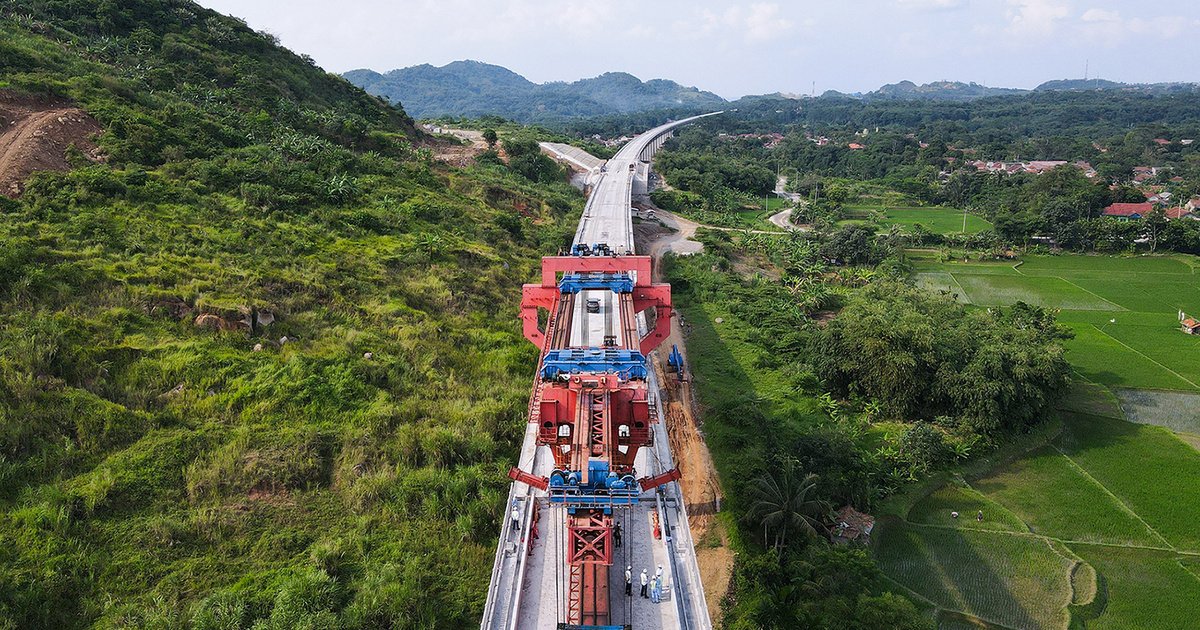
Ethiopia has become a focal point for China’s Belt and Road Initiative (BRI), with significant investments pouring into the country’s industrial sector. In 2024, China’s infrastructure projects, industrial parks, and manufacturing partnerships are transforming Ethiopia into a key player in East Africa’s growing industrial landscape.
Industrial Parks and Manufacturing Hubs
One of the main pillars of China’s investment in Ethiopia is the development of industrial parks, which serve as hubs for manufacturing and export-oriented industries. The Hawassa Industrial Park, built with Chinese funding and expertise, is a prime example. Specializing in textile and apparel production, the park has attracted major international brands and created thousands of jobs for Ethiopian workers.
China’s focus on building industrial parks in Ethiopia has expanded the country’s manufacturing capacity and bolstered its role in the global supply chain. The parks are equipped with modern infrastructure, providing facilities for light manufacturing, textiles, and electronics. As a result, Ethiopia has seen a surge in foreign direct investment (FDI) from Chinese companies, which are using the country as a base for exporting goods to global markets.
Boosting Exports and Economic Growth
China’s investments have also helped Ethiopia become a significant exporter in various industries, particularly in textiles and leather goods. The industrial parks have enabled Ethiopia to produce high-quality goods at competitive prices, making it an attractive destination for international buyers. This export growth is critical for Ethiopia’s economy, contributing to job creation, increased government revenue, and a reduction in poverty.
Moreover, China has played a key role in improving Ethiopia’s infrastructure, including transportation networks that connect industrial parks to major trade routes. The Addis Ababa-Djibouti Railway, also funded by China, has facilitated the efficient transport of goods from Ethiopia to the port of Djibouti, further boosting the country’s export capabilities.
Technology Transfer and Skills Development
China’s involvement in Ethiopia’s industrial sector extends beyond infrastructure and finance. Chinese companies have introduced advanced technologies and manufacturing techniques to Ethiopian factories, helping to modernize the country’s industrial base. This technology transfer is essential for increasing productivity and competitiveness in the global market.
Additionally, China has invested in skills development programs for Ethiopian workers, providing training in manufacturing processes, quality control, and engineering. These programs aim to build a skilled workforce capable of sustaining the country’s growing industrial sector. As a result, Ethiopia’s labor force is becoming more competitive, attracting further investments from international companies.
Challenges and Concerns
While China’s investments have brought substantial benefits to Ethiopia’s industrial sector, there are concerns about the long-term sustainability of the relationship. Ethiopia has taken on significant debt to finance infrastructure projects, raising questions about the country’s ability to repay these loans. Additionally, critics argue that Chinese companies dominate Ethiopia’s industrial parks, limiting opportunities for local businesses to thrive.
There are also concerns about labor conditions in some Chinese-operated factories, with reports of low wages and poor working conditions. The Ethiopian government is under pressure to address these issues and ensure that Chinese investments contribute to equitable and sustainable growth.
Conclusion
China’s Belt and Road Initiative is reshaping Ethiopia’s industrial sector, driving economic growth and expanding the country’s role in global trade. Through the development of industrial parks, technology transfer, and infrastructure improvements, China has positioned Ethiopia as a manufacturing hub in East Africa. While challenges remain, the long-term impact of these investments could transform Ethiopia’s industrial landscape for decades to come.

